Introduction in Net Zero Carbon

The “Net Zero Carbon & Decarbonisation” program is a key component of both undergraduate and postgraduate environmental science curriculum, thoughtfully aligned with the National Curriculum Framework for Higher Education (NCF-NEP) and Learning Outcomes-Based Curriculum Framework (LOCF) standards. This course emphasizes a real-world, case study-based approach, seamlessly integrating cutting-edge approaches, research, and practical applications to effectively reduce carbon footprints across multiple industries.

This course focuses on a real-world case study approach, combining cutting-edge approaches, research, and practical applications to minimize carbon footprints across industries. Participants also learn about the social and economic ramifications of transitioning to a low-carbon economy, as well as essential skills and hands-on experiences. This training provides students with direct work chances while also offering industries long-term solutions, resulting in a mutually advantageous situation.

Given the critical worldwide issue of climate change, lawmakers are working to counteract global warming. India has set ambitious targets, including attaining net zero carbon emissions by 2070 and reducing GDP emission intensity by 45% below 2005 levels by 2030. However, India now has a small number of registered Carbon Neutrality initiatives, the most of which are focused on energy. Our program is consistent with India’s ambitious aims and government initiatives, such as the Green Credit Program and the Draft Environment Audit Notification, which emphasize the relevance of environmental, social, and governance (ESG) considerations.

The Net Zero Carbon & Decarbonization program combines industry knowledge and specific methods that meet accreditation standards. The introduction of NEW NAAC (National Assessment and Accreditation Council) –NEW METRICS AND NEW CHALLENGES marks a fundamental shift in NAAC SSR (Self Study Report) method beginning in May 2024. The universities will be evaluated using new metrics, which is based on Sustainability (Green Initiative)

The “Net Zero Carbon & Decarbonisation” program provides a one-of-a-kind combination of industry expertise and specialized accreditation procedures, allowing for a seamless transition from theoretical knowledge to practical applications. With the implementation of the New National Assessment and Accreditation Council (NAAC) metrics and challenges beginning in May 2024, all universities which are Autonomous, Affiliated and Private Universities, will be evaluated using new criteria such as sustainability initiatives, waste and water management practices, progress toward net-zero emissions, green audit implementation, and collaborations with industry and NGOs. These indicators seek to promote a culture of environmental stewardship, resource efficiency, and community engagement in the education sector, thereby contributing to overall development and accountability.

In short, the course material is a beacon of excellence and sustainability, incorporating real-life case studies and creative approaches to efficiently reduce carbon footprints, benefiting both students and industries. Our work with a dedicated marketing team improves job opportunities and revenue development while demonstrating our unwavering dedication to quality and sustainability in all activities.

India’s Future of Net Zero Carbon: Embracing the Green Horizon

The discourse surrounding climate change has gained momentum globally in recent times, leading many countries to reassess their environmental pledges and policies. The idea of reaching net zero carbon emissions has come up in these talks as a crucial objective for halting climate change. Achieving net zero carbon bears great significance and opportunity for India, a nation with a fast-expanding population and economy. Let’s examine the opportunities and difficulties India faces as it moves toward a more sustainable and greener future.

The Need for Timely Action

Like many other countries, India must act timely to lessen the effects of climate change. Rising sea levels, harsh weather, and depletion of natural resources are all effects of unmanaged carbon emissions that are becoming more and more evident. India has moved quickly to reduce its carbon footprint and switch to cleaner, renewable energy sources after realizing how urgent the situation was.

Aspiring Goals and Regulations

India has set aggressive goals to cut its carbon emissions and switch to renewable energy sources in accordance with international obligations. By 2070, the nation wants to have a net zero carbon footprint; in the interim, it wants to raise the proportion of renewable energy in its overall energy mix. The implementation of initiatives like the National Solar Mission and the National Action Plan on Climate Change (NAPCC) demonstrates India’s dedication to environmentally responsible development.

Putting Money into Renewable Energy

India’s focus on renewable energy infrastructure is one of the main tenets of its net zero carbon policy. With the intention of diversifying its energy sources and lowering its dependency on fossil fuels, the nation has made large investments in hydroelectric, solar, and wind power. Projects such as the International Solar Alliance (ISA) show how India is leading the way in fostering international cooperation in the field of renewable energy.

Possibilities and Difficulties

India still has a number of obstacles to overcome before reaching net zero carbon emissions. There are many challenges, including industrial expansion, rapid urbanization, and rising population-related energy needs. Making the switch to renewable energy sources also necessitates large infrastructure and technological investments. But these difficulties also offer chances for creativity, employment growth, and sustainable development.

cooperative endeavours and alliances

The complicated problem of climate change necessitates cooperation across industries and boundaries. India has taken a proactive role in international collaborations and programs that promote sustainability and climate action. India’s dedication to international climate measures is demonstrated by its cooperative efforts with institutions such as the United Nations Framework Convention on Climate Change (UNFCCC) and its bilateral agreements with other nations.

Activating Stakeholders and Communities

India cannot achieve net zero carbon without the participation and empowerment of all stakeholders, including enterprises, government agencies, and local people. In order to create a culture of environmental responsibility and drive significant change, grassroots initiatives promoting eco-friendly habits, sustainable agriculture, and energy efficiency are crucial.

India has enormous promise and possibility for achieving net zero carbon in the future. India can steer towards a more resilient and environmentally friendly future by implementing sustainable practices, promoting cooperation, and utilizing renewable energy sources. As the nation moves closer to being net zero carbon, it has the chance to set an example for others and encourage them to join the global effort to fight climate change and protect the environment for coming generations.

In conclusion, India’s journey towards net zero carbon is demanding and revolutionary. India can lead the way toward a more promising and sustainable future for all by embracing innovation, teamwork, and sustainable development. Together, let’s make this vision a reality and build a world where future generations will live in a more optimistic future, the air will be cleaner, and the land will be healthier.

Tiny is mighty from the esteemed behaviour scientist BJ Fogg

Making small changes in every day life will have big/noticeable/positive impact on the environment. As per our day today life we can make some small changes which can bring us closer to the nature. The goal of sustainable living is to lessen the environmental impact that an individual or community has on the environment. It entails making deliberate decisions to lessen one’s ecological footprint and the amount of natural resources used on Earth.

It involves striking a balance so that we may fulfil our wants without compromising the capacity of future generations to do the same.

However, in general, living sustainably entails much more than simply cutting back on consumption, and since everyone’s definition of sustainability varies, it’s critical to determine what sustainable living means.
It’s true that we have to make some tiny changes in lifestyle but they don’t have to be difficult. It’s now easier than ever to live a more sustainable lifestyle.

Adopting Environmentally Friendly Practices in a daily life for a More Sustainable Lifestyle

Reduce food waste, avoid buying too much, prepare only what you need, and avoid storing perishables. Adopting thoughtful consumption practices such as meal planning and adequate storage can significantly minimize waste, encouraging sustainability and a better lifestyle by conserving resources and lowering environmental impact.

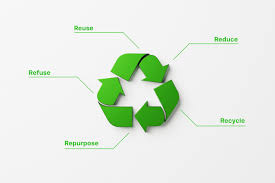
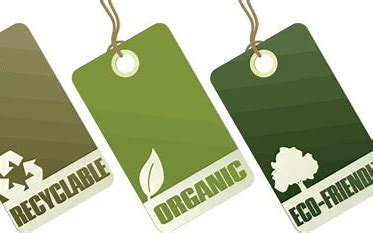
Rejecting single-use plastic is critical because of its widespread use, extended lifespan, and negative environmental impact. Opting for reusable alternatives in goods and services is critical to combating plastic waste and advancing sustainability, resulting in a cleaner, healthier planet for future generations. Choosing products with Ecolabels and Eco-marks emphasizes our commitment to environmental responsibility. For example, using wooden cutlery and eco-friendly products with such labels can greatly reduce trash generation. Similarly, using reusable mugs and recyclable water bottles with recognized eco-labels reduces garbage creation and promotes a more sustainable lifestyle.

Genetically modified organisms have the potential to harm natural ecosystems and biodiversity. As a result, choosing natural and organically grown foods reduces the danger of unforeseen environmental impacts linked with genetically modified organisms.

Genetically modified organisms have the potential to harm natural ecosystems and biodiversity. As a result, choosing natural and organically grown foods reduces the danger of unforeseen environmental impacts linked with genetically modified organisms.

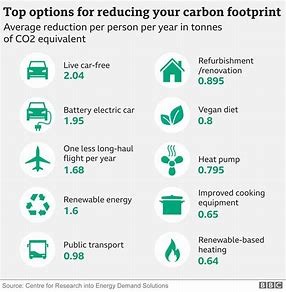
Furthermore, limiting meat consumption is critical due to the increased carbon footprint associated with the production of richer meats. Individuals who reduce their meat consumption not only reduce their carbon footprint, but also help to slow down environmental destruction. Furthermore, switching to a plant-based diet or limiting meat intake can have a variety of health benefits, including lower risk of chronic diseases. Overall, these dietary choices contribute significantly to sustainability, both in terms of individual and environmental health. Individuals can help to create a more environmentally friendly and healthier future by making thoughtful food consumption decisions.

Creating a compost pit entail accumulating all biodegradable garbage in order to reap its numerous benefits. Individuals can maximize the use of organic waste as a powerful fertilizer, a sustainable fuel source, and a haven for biodiversity protection by dumping it in a compost pit. This sustainable approach not only diverts waste from landfills, but it also improves soil quality and ecosystem health. Composting converts garbage into a valuable resource, demonstrating the principles of resourcefulness and environmental stewardship.

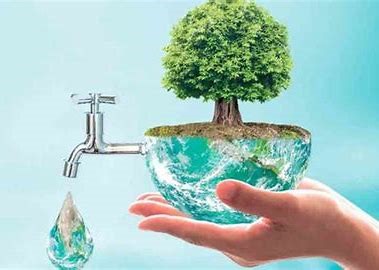
Being cautious of water usage is critical, as only a small part of the Earth’s water is appropriate for drinking or household use. Turning off the tap while brushing your teeth, correcting leaks, and using water-efficient products like low-flow showerheads and toilets are all important ways to save water. These actions benefit not just the environment by minimizing water waste, but also promote sustainable living. Individuals who adopt such practices help to preserve scarce water resources for present and future generations, promote environmental sustainability, and practice responsible management of natural resources.

Reducing automobile usage entails using public transportation or walking for short journeys, which saves money and reduces carbon emissions. Choosing alternative modes of transportation like carpooling, using electric vehicles, using bicycles for benefits both the environment and one’s physical health. These choices benefit both the environment and human well-being, emphasizing the link between individual acts and larger sustainability efforts.

Turn off appliances when not in use to save electricity, and make sure they are properly maintained to avoid energy waste. Faulty appliances can consume more energy, underlining the significance of frequent maintenance to improve efficiency.

Instead of quickly discarding objects that break or malfunction, prioritize repair to extend their life. This strategy not only saves money, but it also eliminates waste and the need for additional raw materials, resulting in a more sustainable and environmentally responsible lifestyle.

Choose environmentally responsible apparel and jewellery, which are frequently made by eco-friendly enterprises from recycled materials. This choice reduces the demand for additional raw materials, resulting in a beneficial environmental impact and promoting sustainable practices in the fashion sector.

Prioritize the use of environmentally friendly cleaning and non-toxic cosmetics in your everyday routine. By actively choosing environmentally friendly items, you help to reduce harmful chemical exposure and minimize environmental damage. These eco-friendly options not only help the environment, but they also promote healthier skin and a more sustainable lifestyle for you and future generations.

Instead of throwing away usable items, consider donating them. Not only does this help you simplify your environment, but it also helps people in need. Giving away stuff you no longer need helps to reduce waste and may improve someone’s quality of life.

Always keep in mind the wisdom of Gretchen Rubin: “What you do every day matters more than what you do once in a while.” This reminder emphasizes the importance of taking persistent, long-term actions over intermittent efforts. Quality and consistency in our daily decisions frequently overshadow the occasional big gesture. So, prioritize conscious and meaningful routines in your daily routine, as quantity does not always imply quality or effectiveness.

Executive Program in Net Zero Carbon

The Executive Program in Net Zero Carbon is designed for postgraduate students or professionals with 1-2 years of experience, particularly those with a STEM (Science, Technology, Engineering, and Mathematics) background. This program is intended to provide participants with advanced information and skills related to reaching Net Zero Carbon emissions, which are critical for combating climate change and promoting sustainability.

Throughout the program, participants will learn about renewable energy technology, carbon accounting and management, regulatory frameworks, and greenhouse gas emission reduction techniques. The program aims to offer a deep understanding of transitioning to a net-zero carbon future, focusing on practical applications and real-world case studies from experts in diverse fields.

Students and professionals who participate in this executive program will get significant insights into the newest breakthroughs in the industry, as well as practical experience to apply in their various careers. The program also provides networking opportunities and engagement with industry professionals, which enhances the learning experience and prepares participants to become leaders in the fields of sustainability and climate change mitigation.

The course provides participants with valuable knowledge and hands-on experience in addressing global environmental issues, as well as preparing them for employment in carbon management and sustainability.

This course is for young minds who wish to contribute to make changes towards cleaner, greener and better future.

You recognize the impact of climate change on many professions and want to improve your ability to deal with it. You’re eager to learn practical ways to fortify companies and professions against these shifts.

Furthermore, you are committed to make your firm both eco-friendly and prosperous, aiming for a future with very low emissions.Enrolling in a NET ZERO CARBON & DECARBONIZATION course offers you:

  • A unique opportunity to unlock your potential for significant impact.
  • By gaining essential skills, confidence, and a strong network, participants will be empowered to lead change within their sector, organization, and broader community.
  • Together, with like-minded individuals, you can drive meaningful transformation for the greater good.